Popcorn Is Now a Side Dish: How Movie Theaters Became the New Luxury Night Out

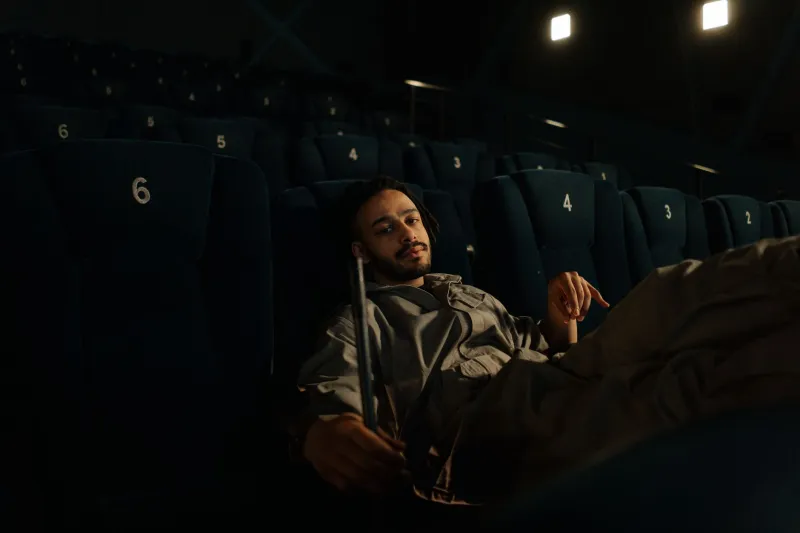
Photo by Photo by Alexander Lee on Unsplash on Unsplash
There was a time when going to the movies meant sticky floors, questionable sightlines, and a large popcorn that cost more than it had any right to. It wasn't glamorous. It was communal. Teenagers on dates, families on Sunday afternoons, retirees with matinee discount cards — everyone shared the same slightly-too-cold auditorium and called it a good time.
That version of moviegoing still exists, technically. But something else is happening alongside it, and it's changing the whole vibe of the theatrical experience in ways that are hard to ignore.
The Upgrade Nobody Asked For (But Plenty Are Paying For)
Walk into an AMC in a major metro area today and you might stumble across a menu featuring truffle fries, a full bar, and a leather recliner with a USB port built into the armrest. The ticket for a premium large-format screening — your IMAXes, your Dolby Cinemas, your PLF screens — can run anywhere from $22 to $35 before you've touched a single snack. Add a couple of drinks and some food, and a night out for two can eclipse $100 without blinking.
Theaters will tell you this is what audiences want. And the numbers, in certain markets, back that up. Premium format screens consistently outperform standard auditoriums on a per-seat revenue basis. Luxury chains like Alamo Drafthouse have built devoted fanbases by leaning into the elevated experience — strict no-talking policies, full-service dining, curated programming — rather than trying to be everything to everyone.
But here's the thing worth sitting with: when theaters optimize for the premium customer, they're making a quiet decision about who the movies are for.
Streaming Set the Floor, Theaters Raised the Ceiling
It's easy to frame this as theaters simply adapting to survive. And there's real truth in that. Once Netflix and Disney+ made it possible to watch brand-new films from a couch, theaters had to answer a basic question: why leave the house?
For a while, the answer was just spectacle — bigger screens, louder sound, the communal energy of a packed house. But spectacle alone wasn't enough to drag people away from their comfort zones on a Tuesday night. So theaters doubled down on comfort itself. Now the pitch isn't just "see it bigger." It's "experience it better than you ever could at home."
That's a fundamentally different value proposition. And it works — but only for a specific kind of moviegoer. Someone with disposable income, access to a premium-equipped theater, and the willingness to treat a film like a dinner reservation rather than a casual outing.
For everyone else? Streaming is right there, waiting, and it's not asking you to pay for parking.
The Cultural Divide Nobody's Talking About Loudly Enough
Here's where it gets a little uncomfortable. Film has always functioned, at its best, as a democratic art form. A movie like Titanic or The Dark Knight or Get Out becomes a cultural event because people from wildly different backgrounds all show up and share the same emotional experience at roughly the same moment in time. That collective witness is part of what gives cinema its power.
When you stratify the theatrical experience into tiers — premium versus standard, luxury versus budget — you start to erode that shared ground. The person who can afford the Dolby screening and the person who can't aren't having the same conversation about the film. They're not even sitting in the same room.
This isn't a new tension in American culture, obviously. But it's new to this degree in movie theaters, which for most of the 20th century prided themselves on being one of the few entertainment spaces where class didn't really determine your seat.
Are Theaters Giving Up on Being Mainstream?
Some industry observers think the luxury pivot is less a survival strategy and more a quiet concession. Theaters may be accepting that they will never again be the default entertainment option for most Americans — and instead of fighting that reality, they're leaning into being the preferred option for a smaller, wealthier audience.
That's a viable business model. Plenty of industries have survived by going upmarket. But it comes with cultural costs that are worth naming. If the theatrical experience becomes synonymous with money and occasion rather than accessibility and spontaneity, the movies that get made for those theaters will start to reflect that audience. More prestige. More spectacle. Less of the weird, scrappy, mid-budget stuff that used to fill the middle of the multiplex calendar.
And casual viewers — the ones who used to wander into a theater on a whim because the ticket was cheap and the air conditioning was good — may stop wandering in at all.
What This Means for the Films We Watch
None of this happens in isolation. When theaters position themselves as luxury destinations, studios take note. Films that justify a premium ticket — massive action setpieces, immersive visual worlds, the kind of sound design that makes your chest vibrate — get greenlit. Films that don't have a clear premium hook face a harder sell.
That's not entirely bad. Some of the most spectacular moviegoing experiences in recent memory have leaned fully into what only a great theater can provide. Watching Dune: Part Two in IMAX was genuinely transformative in a way that no home setup could replicate.
But cinema is a big tent. Or at least, it used to be. The question worth asking — as theaters keep upgrading their seats and raising their prices — is whether that tent is getting smaller, and whether the people who can't afford a ticket to the luxury version are simply being left outside.
The multiplex isn't dead. It just got a lot more expensive. And what we lose when it prices out half the audience might be harder to measure than a quarterly earnings report — but it'll show up eventually, in the stories we stop telling and the audiences who stop showing up to hear them.