We Say We Want Something New. Then We Buy Tickets to the Sequel Anyway.
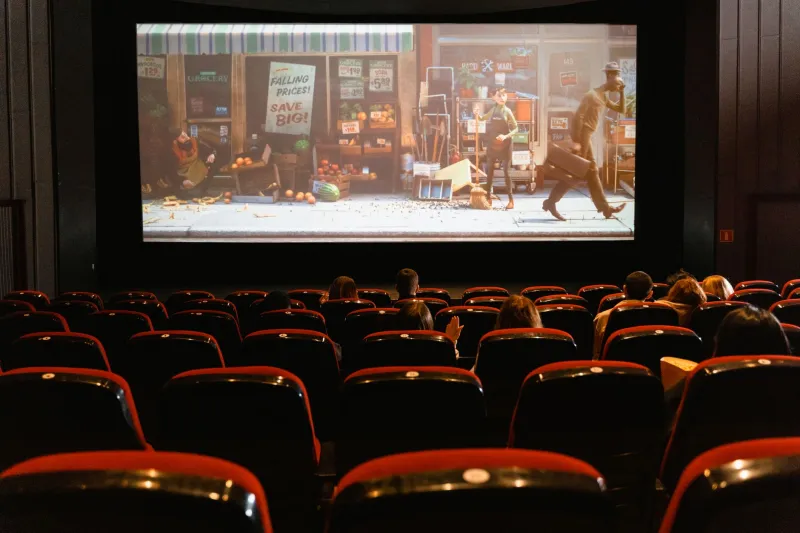
Every few months, the conversation resets. A new sequel gets announced, Twitter lights up with groans, film critics dust off their "Hollywood is out of ideas" takes, and casual moviegoers swear — swear — they're done feeding the machine. Then opening weekend rolls around, and the machine eats better than ever.
This is the franchise fatigue paradox. And honestly? It says more about us than it does about Hollywood.
The Complaint Is Real. So Is the Ticket Purchase.
Let's not pretend the frustration isn't genuine. When a beloved standalone film gets greenlit for a trilogy, or a perfectly closed story suddenly sprouts spin-offs, there's a real cultural exhaustion that sets in. Audiences aren't wrong to feel it. The criticism is valid.
But feelings and behavior are two very different data points.
Look at the numbers. In 2023, eight of the ten highest-grossing domestic films were sequels, reboots, or entries in established franchises. Guardians of the Galaxy Vol. 3, Mission: Impossible — Dead Reckoning, Indiana Jones and the Dial of Destiny — all sequels, all massive earners despite years of people claiming the well had run dry. Meanwhile, several genuinely original mid-budget films that critics championed quietly disappeared from theaters within two weeks.
Studios aren't greenlit franchises because they're lazy or creatively bankrupt. They're doing it because the math keeps working. And the math keeps working because we keep showing up.
Why We Can't Quit What We Claim to Hate
There's a concept in behavioral economics called the intention-action gap — the space between what people say they'll do and what they actually do. It shows up everywhere from gym memberships to diet plans, and it shows up in spectacular fashion at the movie theater.
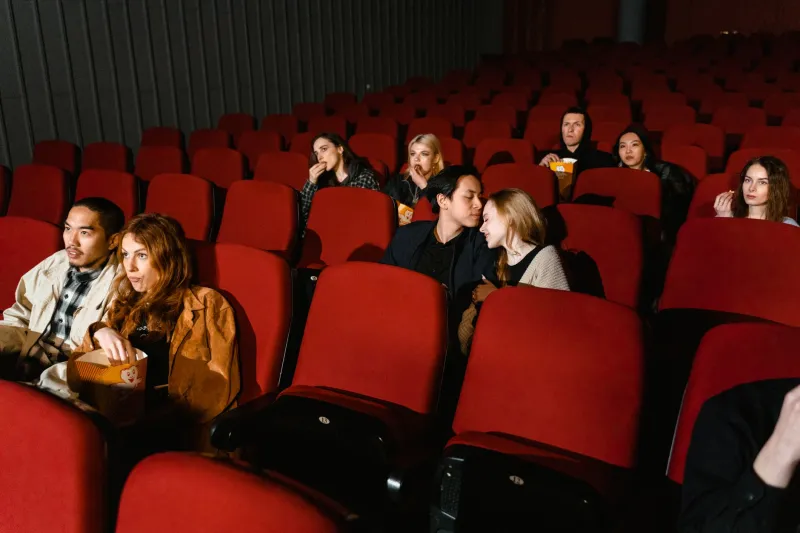
Part of it is social. Seeing a major franchise film isn't just a personal choice anymore — it's a cultural event. Skipping Avengers: Whatever Comes Next means opting out of a shared conversation that's going to dominate every group chat, podcast, and office lunch for two weeks. That FOMO is real, and studios know it.
Part of it is comfort. There's something genuinely appealing about sitting down with characters you already know and love. You've invested emotional energy into these worlds. Watching a new chapter isn't passive consumption — it's a reunion. That's not a shallow impulse. That's human.
And part of it — let's be honest — is that truly original films carry more risk. You don't know if you're going to connect with new characters. You don't know the tone, the world, the rules. A sequel offers a known quantity, and after a long week, a known quantity is sometimes exactly what you need.
Hollywood Heard the Feedback. It Just Interpreted It Differently.
Here's where it gets interesting. Studios have been paying attention to the franchise fatigue conversation. But the response wasn't to make fewer sequels — it was to make better ones. Or at least, sequels that felt more event-worthy.
The shift toward legacy sequels — films that bring back original cast members alongside new leads — is a direct response to audience feedback about feeling disconnected from newer franchise entries. Top Gun: Maverick is the textbook example. It acknowledged the nostalgia, honored the original, and delivered something that felt both familiar and fresh. The result? One of the biggest domestic box office performances of the last decade.
Studios learned that audiences don't actually hate sequels. They hate bad sequels. They hate sequels that feel cynical, rushed, or hollow. Give them a continuation that respects the source material and delivers genuine craft, and they'll show up in numbers that silence every think piece about franchise fatigue.
The Original Film Isn't Dead — It Just Lives Somewhere Else
One thing the box office data obscures is where original stories are actually thriving. They haven't disappeared — they've migrated.
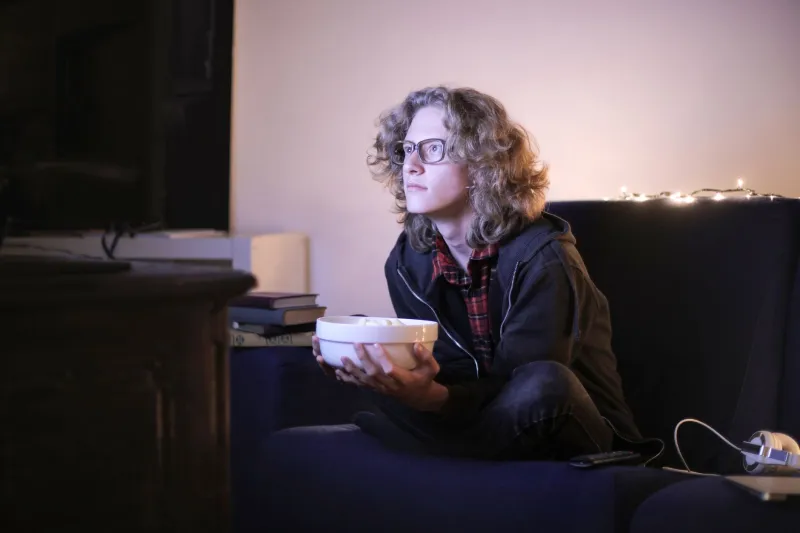
Streaming platforms have become the natural home for original, mid-budget, character-driven filmmaking. The kind of movies that might have struggled to compete with a Marvel release in a multiplex now find massive audiences on Netflix, Apple TV+, or Max. The Power of the Dog, Aftersun, Causeway — these films reached more American viewers than their theatrical runs ever could have managed.
So the picture is more nuanced than "audiences don't want originality." Audiences want originality in a format that feels appropriate to the experience. A quiet, intimate drama doesn't need to be a $15 theater outing. Watching it curled up on a couch on a Wednesday night might actually be the better version of that experience. Meanwhile, a massive spectacle with characters you've followed for a decade? That's worth the parking, the overpriced popcorn, and the guy three rows back who won't stop kicking your seat.
What This Actually Tells Us About Cinema Culture Right Now
The franchise fatigue paradox isn't really a contradiction. It's a pretty accurate reflection of how layered our relationship with movies has become.
We want original stories — and we get them, increasingly on streaming. We want emotional safety and shared cultural moments — and franchises deliver that. We want to feel like our criticism matters — and sometimes it does, when enough audience rejection kills a lazy cash-grab before it becomes a trilogy. But we also want to see what happens next to characters we love, and no amount of principled boycotting fully overrides that impulse.
Studios will keep making sequels as long as people keep buying tickets. And people will keep buying tickets because, deep down, the pull of a familiar cinematic universe is stronger than the pull of any thinkpiece.
The real question isn't why Hollywood keeps making franchises. It's why we keep pretending we don't want them — and what that gap between our stated preferences and our actual choices reveals about how we really experience cinema.
Spoiler: we're a lot more sentimental than we like to admit.