When Sequels Become Chores: How Audiences Learned to Love the Unknown Again
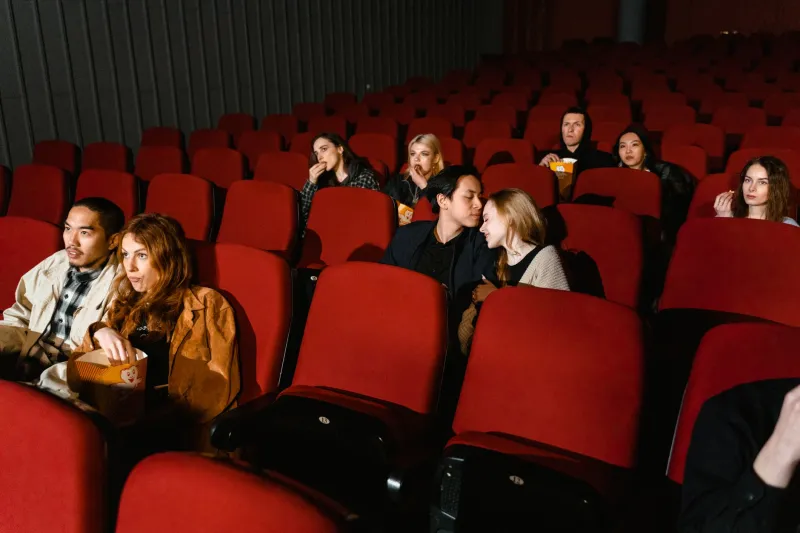
Remember when a new Marvel drop or a Fast & Furious trailer could send the internet into a full meltdown? People were excited — not just mildly interested, but genuinely, embarrassingly hyped. That energy isn't entirely gone, but something has shifted. You can feel it in the box office reports, in the muted social media reactions, and honestly, in your own streaming queue. At some point, watching the next chapter of a franchise stopped feeling like a reward and started feeling like homework.
Franchise fatigue isn't a new conversation, but it's hitting differently now. The breaking point seems real, and the data is starting to catch up with the vibe.
The Numbers Don't Lie (Even When Studios Wish They Would)
Look at recent box office performance for some of the biggest franchise juggernauts and you'll notice a pattern that's hard to spin away. Films that would have been considered guaranteed billion-dollar earners five years ago are now landing in the $400–600 million range globally — sometimes lower. That's still a lot of money, sure, but when you factor in bloated production budgets that routinely crack $200 million before a single marketing dollar is spent, the math gets uncomfortable fast.
Streaming tells a different story, though — a more interesting one. Platforms like A24's growing library, MUBI's curated catalog, and even the indie corners of Netflix and Prime are quietly racking up hours-watched figures that would have seemed implausible a few years ago. Smaller, standalone films — the kind with no sequel bait, no post-credits scene, no shared universe implications — are finding audiences at a rate that's genuinely surprising industry insiders.
Word-of-mouth is doing the heavy lifting here. A film gets a strong festival run, lands a quiet streaming release, and then someone tweets about it or posts a TikTok reaction, and suddenly it's everywhere. No franchise infrastructure needed.
The Obligation Problem
Here's the thing nobody in a studio boardroom wants to say out loud: franchises have trained their audiences too well. Years of interconnected storylines, mandatory viewing orders, and lore-heavy narratives have turned casual moviegoing into something closer to a part-time job.
Talk to anyone who used to be a die-hard MCU fan and you'll hear some version of the same story. They loved the early films. They showed up for everything through Endgame. And then somewhere in the Phase 4 or 5 era, they just... stopped. Not out of anger, necessarily. More out of exhaustion. Keeping up started requiring a level of commitment they didn't sign up for when they bought that first Iron Man ticket back in 2008.
The same thing is happening with other major IP machines. When audiences feel like they have to watch something just to understand the next thing, the joy evaporates. Entertainment becomes a checklist. And nobody wants their leisure time to feel like a to-do list.
Obscurity Is Having a Moment
Here's the flip side of all that fatigue, and it's actually kind of beautiful: people are rediscovering the thrill of watching something they know absolutely nothing about.
There's a specific pleasure in clicking on a film with an unfamiliar title, a cast you half-recognize, and a runtime that doesn't demand a three-hour commitment. No expectations, no franchise baggage, no obligation to have seen the previous six entries. Just a story, told completely, beginning to end.
Films like Past Lives, The Holdovers, A Quiet Place (before it became its own franchise, ironically), and dozens of smaller titles have demonstrated that audiences will show up enthusiastically for original work when it's good. The appetite was never gone — it just got buried under the avalanche of sequels and spin-offs.
Streaming has genuinely democratized discovery in a way that's working in favor of smaller films. The algorithm-versus-human-curation debate aside, the sheer volume of content available means that a well-reviewed standalone film has more pathways to an audience than it ever did in the theatrical-only era. Someone in Ohio can stumble across a South Korean thriller or a quiet British drama at 10 PM on a Tuesday and have their entire perspective on cinema reshuffled by midnight.
What Studios Are (Slowly) Starting to Realize
The smarter players in Hollywood are reading the room, even if they're doing it carefully and quietly. There's a reason studios like A24 have become genuine cultural powerhouses despite operating at a fraction of the scale of the major franchises. Their brand promise is essentially the opposite of franchise filmmaking: expect the unexpected, trust the filmmaker, don't worry about what came before.
Even the big studios are experimenting. Releasing mid-budget, non-franchise films with genuine creative ambition — something that felt almost extinct in the theatrical space for a while — is back on the table for some executives. Not out of pure artistic generosity, obviously. The economics are just starting to make a different kind of sense.
A $40 million film that earns $120 million and generates real cultural conversation can be more valuable long-term than a $250 million sequel that opens big and disappears from discourse within two weeks. The conversation is the marketing now. And franchises, increasingly, aren't generating the kind of passionate conversation that independent or original films are.
The Fan Who Walked Away Isn't Gone — They're Just Watching Something Else
It would be easy to frame franchise fatigue as audiences abandoning cinema altogether. That's not what's happening. The person who skipped the latest superhero sequel this summer probably still watched four films that month — they just picked them based on curiosity rather than obligation.
That's actually a healthier relationship with movies than the franchise model ever encouraged. Watching something because you genuinely want to, not because you'll be lost in the discourse if you don't — that's what loving cinema actually looks like.
Studios will eventually chase this shift, the way they always do. Expect a wave of announcements about "bold, standalone" projects from the same companies that spent the last decade building out cinematic universes. Some of those projects will be genuine, and some will be franchise setups wearing a disguise. Audiences are getting pretty good at telling the difference.
For now, though, the quiet revolution is real. The sequel fatigue is real. And the joy of finding something small, strange, and completely self-contained — something that asks nothing of you except your attention — is very, very real.
Maybe that's the best thing the franchise era accidentally gave us: a renewed appreciation for films that don't need a number after their name.