Nobody to Somebody: The Wild Gamble of Casting an Unknown Face in a Major Film
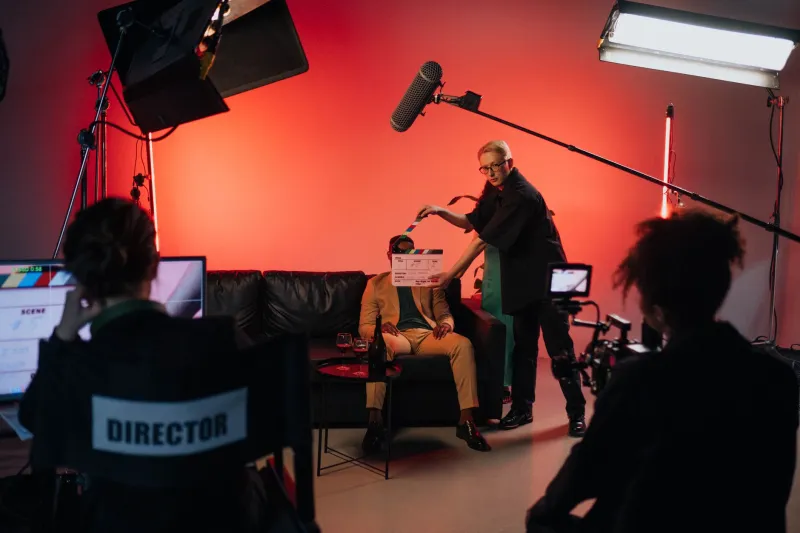
Hollywood loves a sure thing. Proven stars, recognizable faces, names that sell tickets before a single frame of footage drops — these are the comfort foods of studio decision-making. And yet, some of the most electric moments in modern cinema have come from a casting director pointing at someone nobody's heard of and saying, trust me on this one.
Sometimes it works so spectacularly that it rewrites careers overnight. Sometimes it's a slow-motion disaster that takes the whole production down with it. Either way, betting on an unknown is one of the most genuinely fascinating gambles in the movie business — and audiences are almost always watching to see how it plays out.
Why Studios Even Bother
Let's be real: signing an A-lister feels like the safer bet. Tom Hanks attached to your drama? Dwayne Johnson headlining your action franchise? Those names carry weight. They bring built-in audiences, press coverage, and a layer of credibility that's hard to manufacture.
But there's a catch. Bankable stars are expensive — sometimes obscenely so. And when a film's entire budget is front-loaded into one massive paycheck, there's less money for everything else: writing, production design, supporting cast, post-production polish. A star's name might get people into seats opening weekend, but it won't save a movie that's been hollowed out to afford them.
That's where the math starts to shift. An unknown costs a fraction of the price. If they click with audiences, the studio looks like a genius. If they carry the film, they become the next big thing — and the studio gets first-mover advantage on that relationship. It's high risk, but the upside is genuinely enormous.
The Wins That Changed Everything
There's no cleaner example of this gamble paying off than the casting of a then-unknown British actor named Daniel Craig as James Bond in Casino Royale (2006). The internet was not kind when the announcement dropped. Fans were furious. He was too blond, too rough around the edges, not suave enough for 007. Studios held their breath.
Then the movie came out, and Craig's raw, grounded take on Bond didn't just silence the critics — it revived an entire franchise that had been running on fumes. That's what a perfect casting gamble looks like when it lands.
Or go back further: when a young, unknown Harrison Ford was cast as Han Solo in Star Wars (1977), he was mostly known for doing carpentry work around Hollywood. George Lucas saw something. The rest is pop culture history.
More recently, Barbie (2023) reminded everyone how Margot Robbie went from relative newcomer to one of the most sought-after actors in the business after The Wolf of Wall Street — a role she landed when she was barely a blip on Hollywood's radar. The right role, the right moment, and suddenly you're a household name.
These stories share a common thread: someone in the room had enough conviction to fight for a choice that looked risky on paper. That conviction, more than anything, is what separates a bold casting decision from a reckless one.
When It All Falls Apart
For every Daniel Craig, there's a cautionary tale waiting in the wings.
Casting missteps are rarely about talent — most actors who flame out in major roles are genuinely skilled performers who just weren't the right fit for that specific part. The chemistry wasn't there. The tone didn't match. The vision on the page didn't translate through that particular face or voice.
Some misfires become infamous. Some quietly tank a film's opening weekend and get buried under the avalanche of the next release. But the pattern is consistent: when casting goes wrong, it's almost impossible to course-correct in post-production. Editing can do a lot, but it can't manufacture screen presence that isn't there.
Studios have also learned the hard way that star power alone doesn't guarantee performance. Casting a huge name in a role that doesn't suit them is its own kind of disaster — arguably worse than casting an unknown, because the expectations are higher and the disappointment lands harder.
What Audiences Actually Want (Hint: It's Complicated)
Here's where it gets interesting. Ask most moviegoers what they want and they'll say they just want a good story, well told. They don't need a specific face on the poster. But behavior tells a different story.
Familiarity drives clicks, streams, and opening weekend numbers. Marketing is infinitely easier when there's a recognizable name attached. Audiences say they're open to unknowns, and many genuinely are — but getting them to show up for someone they've never seen before requires a different kind of campaign. The trailer has to work harder. The word-of-mouth has to be stronger. The film itself often needs to be better.
That's not necessarily a bad thing. It means films built around unknown performers tend to be more focused on the work itself. When there's no star to lean on, the script, direction, and actual performance have to carry the weight. That pressure can produce something genuinely special.
Streaming has also shifted this equation in meaningful ways. On a platform like Netflix or Max, discovery works differently than it does at the multiplex. An unknown face in a compelling series or film can go from zero to viral in a weekend. The algorithm doesn't care about your box office track record. If the content hits, it hits.
The Casting Directors Who Deserve More Credit
Honestly, casting directors are some of the most underappreciated people in the industry. They're the ones sifting through thousands of faces, running chemistry reads, and making the case in rooms full of nervous executives for the actor nobody's heard of yet.
When those bets pay off, the director gets the praise. When they don't, the casting team quietly absorbs the critique. It's a thankless job with enormous consequences — and the good ones have an instinct for human potential that borders on uncanny.
The next time you're watching a film and thinking how did they find this person, there's a very good chance someone in a casting office went to bat for them when nobody else would.
The Bottom Line
The gamble of casting an unknown isn't going anywhere. Studios will keep running the numbers, weighing star salaries against production budgets, and occasionally deciding that the right nobody is worth more than the wrong somebody.
And when it works? It's one of the most satisfying things cinema can offer — watching an unfamiliar face walk into a story and make it entirely their own. That's the magic no algorithm can fully predict, no focus group can manufacture, and no amount of franchise safety can replicate.
Sometimes the best thing a studio can do is take a breath, trust the instinct, and let an unknown actor show the world exactly what they're made of.