The Pause Button Paradox: Why Total Control Is Ruining How We Watch Movies
The last time you watched a movie in a theater and something surprised you — really surprised you, the kind of surprise that made your stomach drop — you had no choice but to sit with it. You couldn't rewind. You couldn't pause and text your friend "wait what just happened." The story moved forward and you moved with it, whether you were ready or not.
That helplessness is, weirdly, one of the most powerful things cinema ever had going for it. And streaming has been quietly dismantling it for years.
The Theater Was Always a Little Bit Coercive
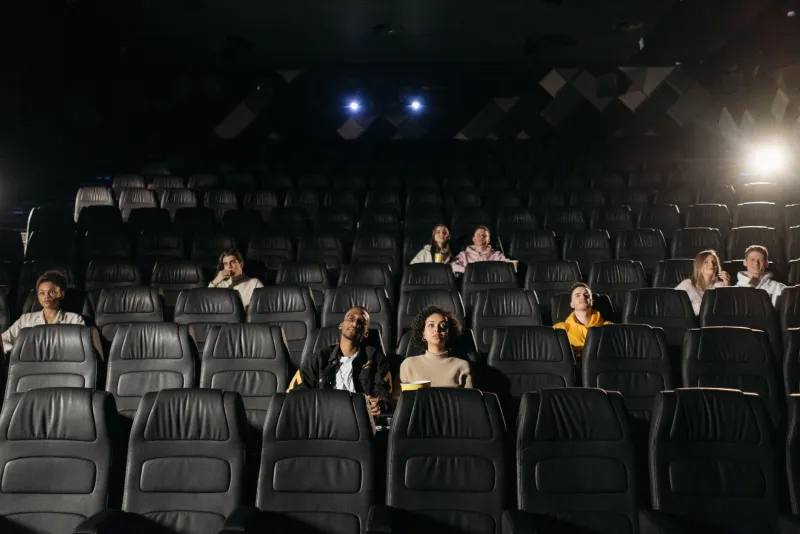
Let's be honest about what a movie theater actually is. It's a dark room where you've paid money to have your attention held hostage for two hours. You can't check out. The screen is enormous, the sound is everywhere, and the social contract of sitting next to strangers means you're not going to pull out your phone and start scrolling. You're in it.
That coercion isn't a bug. It's the whole point.
Filmmakers have always built their craft around the assumption of a captive audience. Slow burns work because you can't fast-forward through the setup. Tension accumulates because you can't pause and defuse it. A long, uncomfortable silence between two characters lands because you can't skip to the next scene. The filmmaker controls the clock, and that control is precisely what makes the experience feel like being inside something rather than observing it from a safe distance.
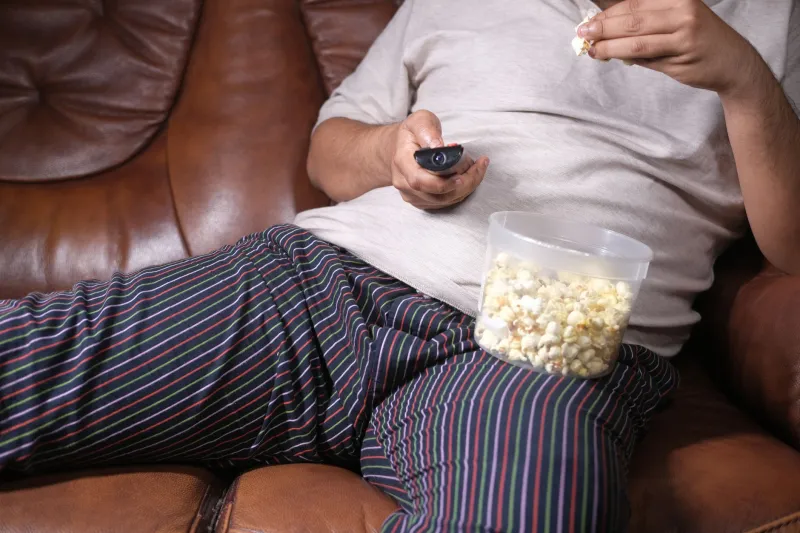
Streaming inverted this entirely. Now you control the clock. And that changes everything.
What Happens When You Can Always Look Away
Here's something worth thinking about: the pause button doesn't just interrupt a movie. It interrupts the state the movie is trying to create.
Suspended disbelief is fragile. It's the mental agreement you make with a story — the "yes, I'll accept this world and these people as real for the duration." Theaters enforce that agreement through environmental design. Streaming makes it entirely voluntary, which means it's constantly being renegotiated.
Every time you pause to check something, grab a snack, answer a text, or rewind because you weren't paying attention, you step outside the story. You become a viewer again instead of a participant. And getting back in is harder each time.
Research into narrative transportation — the psychological state of being absorbed in a story — consistently shows that interruptions don't just pause the experience, they partially reset it. You don't pick up exactly where you left off emotionally. You pick up where you left off positionally, which isn't the same thing at all.
The Rewind Trap
Rewinding is its own specific problem. On the surface, it seems like a quality-of-life improvement — missed a line, no big deal, just go back. But the habit of rewinding trains viewers to be passive rather than active.
In a theater, if you miss something, you lean forward and pay closer attention. You engage harder. You try to piece together what you missed from context. That effort isn't a burden — it's participation. The film asks something of you, and you respond.
When rewinding is always available, the instinct to engage gets replaced by the instinct to replay. Why work to understand something when you can just watch it again? It sounds convenient, but it subtly shifts the relationship with the film from collaborative to mechanical. You're not interpreting anymore. You're just making sure you received all the data.
Some of cinema's greatest moments depend on ambiguity — on the audience not being entirely sure what just happened. Mulholland Drive. The ending of No Country for Old Men. The final frame of The Sopranos, if we're counting TV. These moments are designed to sit unresolved in your mind. The rewind instinct fights that design directly.
Skipping Is a Different Beast Entirely
If pausing and rewinding are disruptive, skipping is something close to a different activity altogether. And yet it's completely normalized on streaming platforms, especially among younger viewers who've grown up with the ability to jump around content at will.
The problem is that narrative tension is cumulative. A scene that seems boring in isolation might be doing structural work that pays off twenty minutes later. When you skip "slow" scenes, you're not just saving time — you're removing load-bearing material from the story. Then you wonder why the emotional payoff didn't land.
This is partly why so many streaming-first films have started front-loading their hooks so aggressively. Filmmakers know the audience has a finger on the skip button. So they compress, accelerate, and punch up the opening. Which works, until it doesn't — until the film has nowhere to slow down and breathe, and every scene has to justify itself with immediate payoff. That's a terrible way to build a story.
The Case for Occasional Surrender
None of this means theaters are inherently superior or that streaming is ruining cinema (it's also saving it in a dozen different ways). But there's a real argument for occasionally choosing to watch a film the way it was designed to be watched — without your finger on the remote.
Try it sometime. Pick something you've been putting off because it's "long" or "slow." Put your phone in another room. Don't pause. Don't rewind. Let the film control the clock for two hours and see what happens to your experience of it.
Chances are it hits differently. Because you're not watching it anymore. You're inside it.
And that — that specific feeling of being inside a story rather than managing it from a distance — is what movies were built to create. The pause button is convenient. But convenience has a cost, and in this case, the cost is the thing that made cinema worth watching in the first place.