Tiny Screens, Tight Tribes: How Niche Streaming Platforms Are Building Fandoms That Netflix Can't Touch

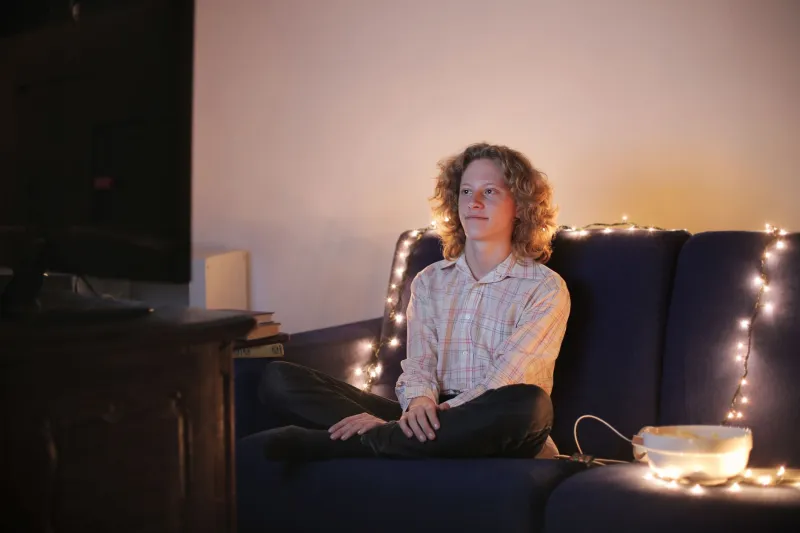
Photo by Photo by Alexandre Martins on Unsplash on Unsplash
There's a moment that happens to a lot of film lovers — you finish watching something on a big streamer, you want to talk about it, and you open Twitter or Reddit only to realize nobody in your feed has seen it. The algorithm recommended it to you specifically, which means it probably didn't recommend it to anyone you know. Congratulations, you're an audience of one.
This is the paradox at the heart of massive streaming platforms. The bigger they get, the lonelier the experience becomes.
Smaller streaming services figured this out, and they're quietly building something the giants can't easily replicate: a genuine sense of shared taste.
What a Micro-Platform Actually Does Differently
Take a service like MUBI, which hand-picks a rotating selection of art-house and international films, or Fandor, which leans hard into indie and experimental cinema. These platforms aren't trying to be everything to everyone. They've made a deliberate choice to be something specific to a focused audience — and that specificity is exactly what creates community.
When you subscribe to a service with a curatorial identity, you're not just paying for access. You're opting into a worldview. You're saying, yes, this is the kind of cinema I care about. And when everyone on the platform is saying the same thing, the conversations that follow feel genuinely meaningful.
Kriterion, a newer entrant focused on classic world cinema, has built a Discord community where members debate restorations and cinematography techniques with the kind of passion you'd expect from a film school cohort, not a casual streaming audience. The platform didn't build that community through algorithmic nudges. It built it by being unapologetically specific.
The Algorithm Can't Give You a Sense of Belonging
Here's what Netflix, Hulu, and the other juggernauts are genuinely good at: surface-level personalization. They know you watched three crime dramas and they will absolutely serve you a fourth. What they can't do is make you feel like part of something.
The recommendation engine is, by design, a machine that learns your habits in isolation. It doesn't know what your fellow subscribers are watching, what they're arguing about, or what film just broke someone's heart at 2 AM. It doesn't build bridges between viewers — it builds individual tunnels.
Smaller platforms operate more like curated bookstores than warehouses. You walk in, and the selection itself tells you something about the people who shop there. There's a kind of social signal embedded in the catalog.
Cinema fans who use platforms like Shudder — which has built an almost cult-like following around horror content — often describe it less like a subscription and more like a club membership. Shudder's original programming, its festival tie-ins, and its unabashedly horror-first identity have created a subscriber base that actively evangelizes for the service. That's not something you engineer with A/B testing. That's what happens when a platform has a personality.
Why Casual Viewers Are Suddenly Juggling Four Subscriptions
Conventional wisdom used to hold that subscription fatigue would push audiences toward consolidation — one or two big services, max. But something interesting is happening instead. A growing segment of American viewers is maintaining their Netflix or Max subscription and adding a smaller specialty service on top of it.
The logic isn't hard to follow. The big platforms handle volume; the niche platforms handle depth. You watch the blockbuster on the major service and then you go to the boutique platform when you want something that actually challenges you.
For cinephiles, this multi-subscription model feels natural. It mirrors how people have always consumed culture — you might read the bestseller and the literary journal. The streaming landscape is just now catching up to that reality.
What's genuinely surprising is how many self-described casual viewers are making this jump. People who once defined their film diet as "whatever's trending" are discovering that a $10-a-month add-on to a focused platform is giving them more satisfaction per watch than the endless scroll of a 10,000-title library.
The Identity Layer Nobody's Talking About
There's something else happening here that's worth naming directly: these niche platforms are becoming identity markers.
Telling someone you subscribe to MUBI communicates something about you. It's a cultural shorthand, the same way telling someone you read The Paris Review or shop at a specific record store communicates taste and affiliation. In a media landscape where everything is available everywhere, choosing to subscribe to something specific is itself a statement.
This is enormously valuable for platforms trying to build loyal audiences, but it's also genuinely meaningful for viewers. People want their media consumption to reflect who they are. The algorithm doesn't offer you that. A curated platform does.
What This Means for Cinema Itself
The rise of these micro-communities isn't just a business story — it's a cultural one. When passionate, engaged audiences gather around specific genres or filmmaking traditions, they create demand. They write about films, share clips, argue in comment sections, and show up to virtual screenings. They become the kind of audience that gets films made.
International cinema, experimental film, and documentary work have all benefited from the passionate fan bases that niche platforms have cultivated. Films that might have disappeared into obscurity are finding second and third lives because a dedicated community on a small platform decided they mattered.
At Appu Movies, we've watched this shift with genuine excitement. The fragmentation of the streaming landscape, which looked for a while like a problem, is starting to look like an opportunity — for filmmakers, for platform builders, and most of all, for anyone who ever felt like the mainstream catalog just wasn't made for them.
The tribe found each other. They're just streaming together now.