Midnight Magic: How Horror, Anime, and Docs Stopped Being 'Niche' and Started Selling Out Theaters
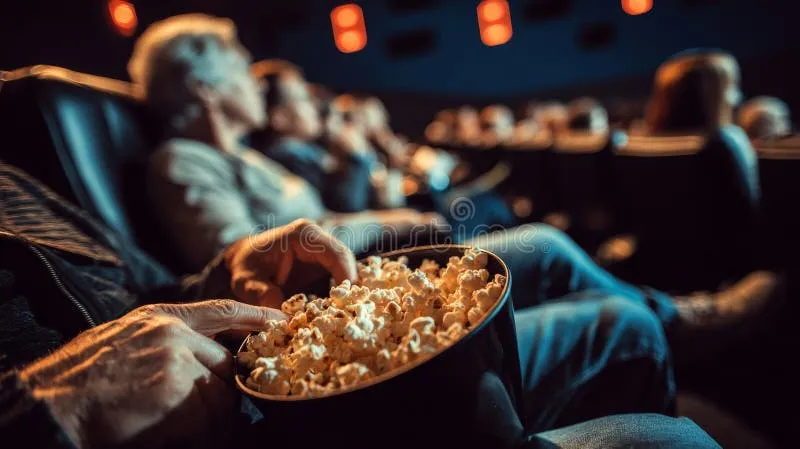
Photo: packed movie theater midnight screening audience excited popcorn dark, via thumbs.dreamstime.com
Not long ago, "event cinema" meant one thing: a superhero movie with a nine-figure budget, a franchise logo in the corner of every poster, and enough toy tie-ins to fill a Target aisle. The blockbuster machine defined what was worth showing up for. Everything else — the horror films, the anime adaptations, the weird documentary about competitive dog grooming — was filler. Background noise. Content for streaming queues and Tuesday afternoons.
That era is over. And honestly? Good riddance.
Something remarkable has been happening at the multiplex over the last few years. Films that would have once been quietly buried in limited release or skipped straight to streaming are now generating the kind of electric, show-up-in-costume, camp-out-for-tickets energy that used to be reserved exclusively for the Avengers. The genres doing this aren't the ones Hollywood traditionally bankrolled for maximum reach. They're the scrappy ones. The passionate ones. The ones with fandoms that don't mess around.
The Horror Takeover Nobody Saw Coming
Let's start with horror, because the numbers are genuinely hard to argue with. Films like The Black Phone, Smile, M3GAN, and Talk to Me didn't just perform — they dominated. They opened wide, they held their audiences across multiple weekends, and they generated the kind of social media chatter that money can't fully buy. People weren't just watching these movies. They were experiencing them together, then immediately going online to process what they'd just seen.
Horror has always had a devoted audience, but that audience used to be treated as a niche to be served cheaply. Low budgets, modest expectations, limited marketing. What changed is that horror fans — younger ones especially — figured out that collective viewing is part of the product. A jump scare lands differently in a packed theater at midnight than it does alone on a laptop. The genre is literally designed for communal experience, and fans started demanding that experience rather than accepting the streaming alternative.
The studios noticed. Premium horror releases now come with the full blockbuster treatment: IMAX screenings, fan events, social media rollouts that build for months. Longlegs sold out midnight showings based almost entirely on a cryptic marketing campaign that drove the internet absolutely feral before a single review dropped. That's not niche behavior. That's event cinema.
Anime and the Art of the Theatrical Moment
If horror made the studios pay attention, anime straight-up rewrote the rulebook. Demon Slayer: Mugen Train became the highest-grossing Japanese film of all time and cracked the US top ten for its opening weekend. Dragon Ball Super: Broly sold out theaters in cities where anime had never had a meaningful theatrical footprint. Jujutsu Kaisen 0 opened to $17 million domestically — numbers that major studio films would kill for.
What's powering this? A fanbase that treats theatrical release as a pilgrimage, not just a viewing option. Anime fans in the US have spent years watching their favorite series on streaming platforms, often in real time with Japanese audiences. When a theatrical release arrives, it's not just a movie — it's a validation. A statement that this thing they love belongs on the biggest screen possible. They show up in cosplay. They bring friends who've never seen a single episode of the source material. They make noise on social media in a way that creates genuine cultural FOMO.
Fathom Events has quietly become one of the most interesting companies in American exhibition because they understood this dynamic early. Their limited-run anime screenings — often just one or two nights — routinely sell out in markets that major blockbusters barely register in. Scarcity, community, and passion are doing what massive marketing budgets used to do.
Documentaries That Demand an Audience
The documentary shift is maybe the most surprising piece of this puzzle. Docs have historically been the most streaming-friendly format imaginable — quiet, contemplative, easy to watch in two sittings on a Tuesday. But a new breed of documentary filmmakers and distributors is challenging that assumption hard.
Films like All That Breathes, 20 Days in Mariupol, and Still: A Michael J. Fox Movie generated genuine theatrical heat in a way that would have seemed absurd a decade ago. These aren't concert films or sports documentaries with built-in audiences. They're challenging, often difficult works that found passionate communities willing to make a night out of them.
The key shift is that documentary fandom has found its voice on social media in a way that mirrors what happened with horror and anime. When a doc goes viral on TikTok or becomes the subject of a heated Twitter thread, it creates a window of cultural urgency. People want to see it now, together, before the conversation moves on. Streaming can't fully replicate that urgency because the film is always there, always available, always easy to defer. A limited theatrical run creates a deadline — and deadlines make people show up.
What This Actually Means for Cinema
Here's the honest take: what we're watching is a fundamental renegotiation of what "event cinema" means. It was never really about budget. It was about shared experience, cultural stakes, and the feeling that missing this particular film at this particular moment would mean missing something that matters.
Blockbusters figured that out first because they had the marketing muscle to manufacture that feeling. What's different now is that passionate genre communities are manufacturing it themselves, through social media, through fan networks, through the kind of organic enthusiasm that no studio can fully fake or buy.
For fans of horror, anime, experimental docs, and whatever genre comes next — this is genuinely exciting. Your favorite films are finally getting the theatrical treatment they deserve. Midnight screenings. Premium formats. Audiences who are actually there because they want to be, not because it's the only thing opening this weekend.
For the industry, it's a useful reminder that audiences are more sophisticated and more varied than a single blockbuster model ever gave them credit for.
And for anyone who's been quietly passionate about a genre that Hollywood dismissed for years? Your midnight moment is coming. The theaters are ready. Show up in costume.